
January 7, 2026 | Josh Valentine & Travis Madsen
———————————————————-
Even as the Trump administration cranks up the volume on “affordability,” it is quietly moving to dismantle one of the most effective consumer protection policies in transportation: federal fuel economy standards. The latest proposal to weaken Corporate Average Fuel Economy (CAFE) rules would cost drivers billions of dollars over time, waste gasoline, and funnel more money straight to oil companies — all while ignoring what consumers actually want.
Fuel economy standards matter because transportation is already the second-largest household expense for American families, accounting for about 15% of average household spending. For lower-income households, the burden is far worse: families earning under $25,000 a year spend roughly 30% of their after-tax income on transportation, largely driven by fuel costs. Strong efficiency standards are one of the few proven tools that consistently lower those costs.
Under the Biden administration, updated CAFE standards were designed to steadily increase vehicle efficiency across cars, SUVs, pickups, and work vans. Those standards would have delivered more than $23 billion in fuel savings, reduced national gasoline consumption by nearly 70 billion gallons, and saved the average driver hundreds of dollars over the lifetime of a vehicle. Over the past 25 years alone, efficiency improvements driven by CAFE have already saved drivers more than $9,000 per vehicle compared with early-2000s models. The policy has saved consumers more than $4 trillion on fuel since it was created in 1975.
The Trump administration’s rollback would reverse that progress. Earlier in 2025, Congress effectively halted enforcement of CAFE by eliminating penalties for automakers that fail to comply. Now, the administration is proposing to weaken the standards themselves. Even if a future Congress restores enforcement, vehicles manufactured for weaker targets will stay on the road for 15-20 years, burning unnecessary fuel.
This push flies in the face of public opinion. Consumer Reports polling shows that 96% of drivers say fuel economy matters when buying a vehicle, 64% support stronger fuel-economy standards, and only 27% believe automakers actually care about lowering fuel costs. Americans across the political spectrum want vehicles that go farther on a gallon of gas, not rules that protect oil profits at the expense of household budgets.
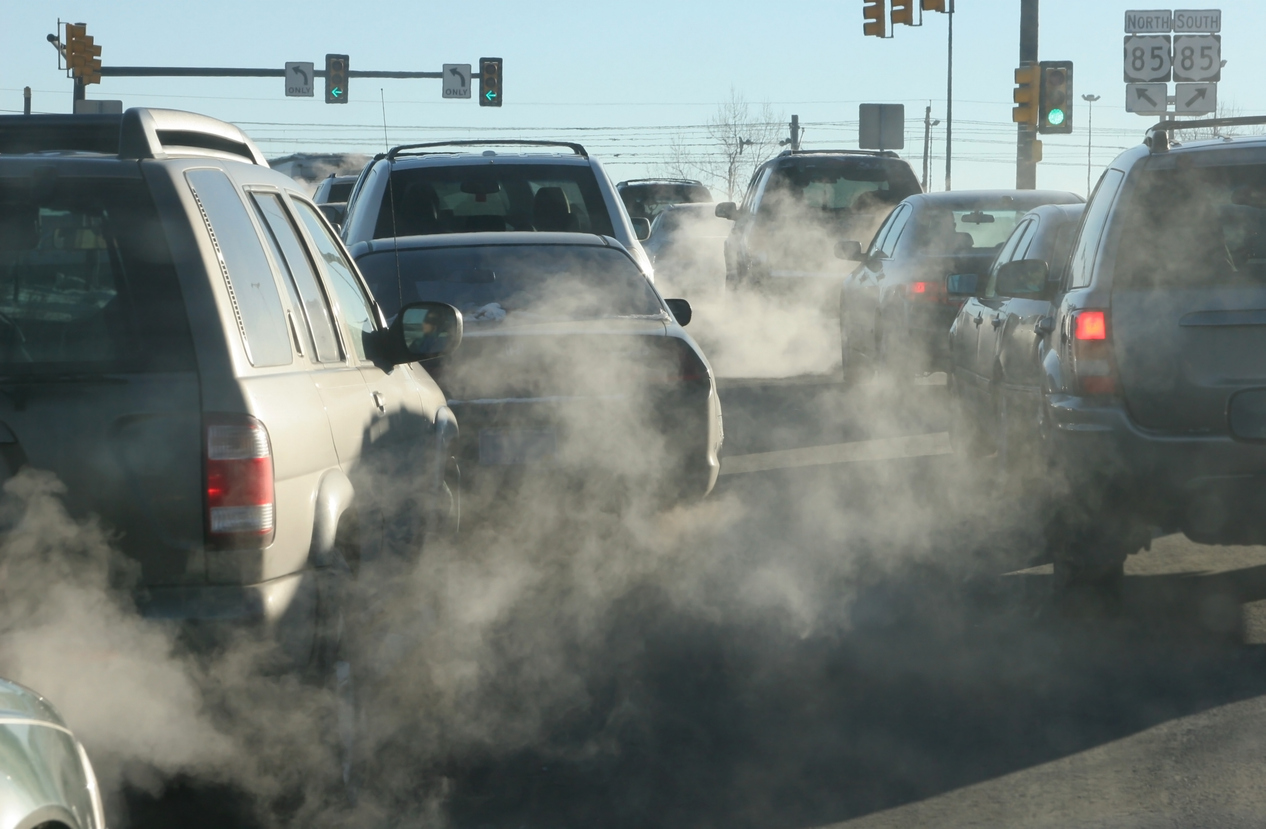
The climate and public health consequences are just as stark. Transportation remains the largest source of climate pollution in the United States, and weaker fuel economy standards would lock in higher emissions for decades. The National Highway Traffic Safety Administration estimates that the previous fuel-economy rule would have saved nearly 70 billion gallons of gasoline and prevented more than 710 million metric tons of carbon dioxide emissions by 2050. That pollution translates directly into dirtier air, higher asthma rates, and increased health costs — impacts that fall hardest on low-income communities and communities of color, which are already overburdened by traffic pollution. Rolling back these standards doesn’t just slow climate progress; it actively makes people sicker.
Technology to dramatically increase vehicle fuel efficiency is available and ready to go. Consider: Electric vehicles (EVs) are three-to-five times more fuel efficient than combustion vehicles, with the most popular models on the road today achieving the equivalent of well over 100 miles per gallon. That translates into serious cost savings, with fueling an EV in the Southwest comparable to gasoline at well under a dollar per gallon — cheaper than gasoline has ever been, adjusted for inflation. Combustion vehicles can also achieve higher levels of fuel efficiency. For example, Toyota Prius hybrid models get more than 50 miles per gallon, using technology that has been around for more than 25 years.
The Trump administration has argued that higher sticker prices for efficient vehicles make them a bad deal, and that relaxing rules will make vehicles cheaper. To make that argument, the administration has to ignore money people spend to fuel and maintain their vehicles and assume that vehicle manufacturers will pass any manufacturing savings onto buyers — both questionable bets.
Strong fuel economy standards have helped push automakers to invest more in technology improvements, including electrification — making efficient technologies more accessible and more affordable. Rolling back CAFE standards undercuts that momentum, slowing the transition to vehicles that are cheaper to fuel, cleaner to operate, and better aligned with what consumers say they want.
The Southwest Energy Efficiency Project (SWEEP) has long worked to defend and strengthen policies that save consumers money while cutting pollution and energy waste. Across the Southwest, we’ve supported clean transportation standards, highlighted real-world savings for drivers and fleet owners, and pushed back against efforts to roll back efficiency rules that directly benefit families, businesses, and communities.
SWEEP will continue working alongside partners to make the case that strong, technology-neutral fuel economy standards are one of the simplest ways to save drivers money, strengthen our economy, and cut pollution.
The administration is accepting written comments on its proposed rollback of efficiency rules through January 20, 2026. You can submit a comment here.


